Dr. Jan Lancok
Institute of Physics of the Czech Academy of Sciences, Prague, Czechia
Short Bio:
Ing. Ján Lančok, Ph.D. received Ph.D. in 2000 at Czech Technical University in Prague. Since 2011 he is Head of Department Analyses of Functional Materials at Institute of Physics Czech Academy of Sciences. His research interests include fabrication of thin films by Physical Vapour Deposition techniques, development of new hybrid deposition system combine the deposition techniques and processes such as laser ablation, magnetron sputtering, plasma jet, r.f. discharges and electron beam evaporations. His current research is focused also on the characterisation of functional properties of thin films and nanostructures for sensors and optoelectronics applications. He was investigator of 3 EU structural grants and 15 national research projects. He is co-author of 222 publications in international journals and 5 patents.
Website: https://www.fzu.cz/en/people/ing-jan-lancok-phd
ORCID: http://orcid.org/0000-0002-4897-140X
Scopus ID 7003909129
Talk Title:
Entropy control for improved photocatalytic response in complex oxynitride systems
Talk Description:
Stefan Andrei Irimiciuc (1,2), Petr Hruška (1), Jáchym Lis (1), Jan Remsa (1), Martin Vondráček (1), Oleksiy Lyutakov (3), Eniko Gyorgy (2,4), Jan Lancok (1)
1Institute of Physics of the Czech Academy of Sciences, Prague, Czechia
2National Institute for Laser, Plasma and Radiation Physics, Magurele, Romania
3 Department of Solid-State Engineering University of Chemistry and Technology
Prague, Czechia
4 Institute of Materials Science of Barcelona, ICMAB-CSIC, Catalonia, Spain
For the development of new complex functional materials that facilitate surface-mediated processes of water purification and hydrogen production, we propose an approach based on entropy-driven synthesis of thin oxynitride layers. In these materials, multicomponent systems are tuned to increase structural and compositional complexity during their deposition. Our entropy-driven methodology enables the production of highly customized nanocrystalline materials exhibiting well-defined structural and compositional gradients. The performance of these materials has been evaluated through key catalytic redox reactions, including the hydrogen evolution reaction (HER), hydrogen oxidation reaction (HOR), oxygen reduction reaction (ORR), and oxygen evolution reaction (OER). For a fabrication of gradient multiphasic oxynitride film as a high entropy materials we proposed to used Pulsed Laser Deposition (PLD) with colliding plasma or angle resolved-multi-layer approach. Multiple laser sources (248 nm KrF laser sources or a 266 nm YAG laser) with a repetition rate of 10 Hz and 2 J/cm2 fluence were synchronized by an external pulse generator signal used to ablate a Ti, Zr, Hf or Nb nitride targets placed at an angle of 30°with respect to the substrate central axis. Chemical and structural control was achieved by controlling the surface oxidation reaction and gas phase reaction by adding Ar, O2 and by controlling the substrate temperature during the deposition. Alternatively multilayers of these oxynitride systems are developed by lateral painting of the substrate and allowing the we controlled the photocatalytic activity of selected system by local clustering, surface reconstruction, and formation of interface and vacancy in the multiphase state by changing the local plasma properties at the substrate. The deposited films were investigated with a wide array of tools such as Atomic Force Microscopy (AFM), Scanning Electron Microscopy (SEM), X-ray Diffraction (XRD), X-ray Photoelectron Spectroscopy (XPS) and thermo-stimulated desorption and emission.
In this work we show complex that the in-situ monitoring of the process plays an essential role towards selecting certain ion energies for gas phase oxidation during the deposition and help control the surface morphology. We reported on angle-and time-resolved dual electrical probe measurements during the deposition coupled with and optical monitoring of Ti,Zr, Hf or Nb-ON in both colliding plasma and painting deposition mode. A timeresolved investigation revealed complex dynamical behavior within a twotemperature plasma exhibiting distinctive angular structuring. The acceleration potential was quantified and systematically correlated with the kinetic energies of the emitted particles. A comprehensive relationship between the acceleration dynamics and the presence of O⁺ ions in the plasma was established through comparative analysis with the structural characteristics of the resulting deposited films. The resulting entropy driven films were investigated by was investigated by catalytic redox processes and by photocatalytic degradation of various dyes. Certain optima configurations, depending on the plasma-growth relationships are found.
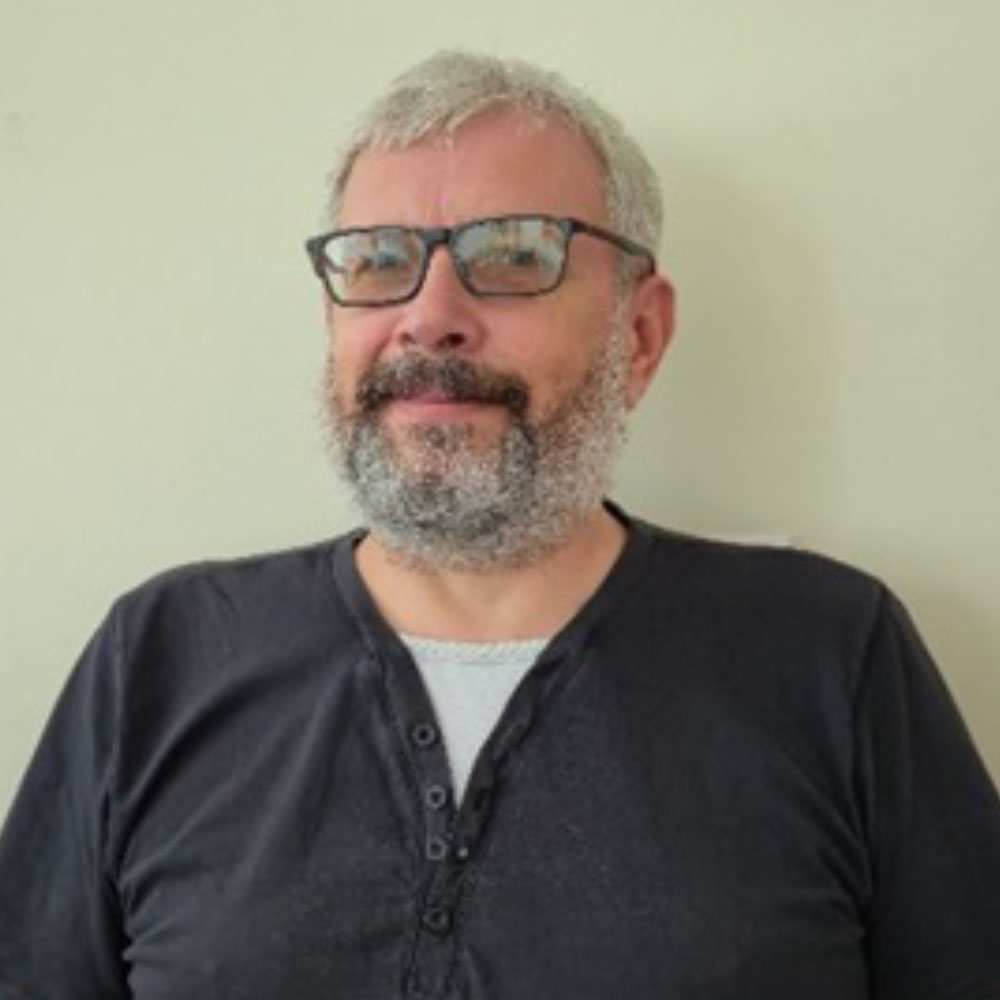
Prof. Juliano Alves Bonaccin
University of Campinas (UNICAMP), Brazil
Short Bio:
Juliano A. Bonaccin is Professor of Inorganic Chemistry at UNICAMP. His research focuses on water splitting, hydrogen production, electrocatalysis, nanomaterials, and electrochemical sensors. He has published over 100 papers, holds 7 patents, and serves as Associate Editor of the Journal of the Brazilian Chemical Society.
Talk Title:
Enhancement of the Catalytic Activity of Prussian Blue through Cyanide Vacancies
Talk Description:
Water oxidation is the rate-limiting step in overall water splitting. In this talk, Prussian Blue analogs are explored as efficient water oxidation catalysts under mild conditions (pH 7). Particular emphasis is placed on the creation of cyanide vacancies, their formation mechanisms, and their impact on catalytic activity and material properties.
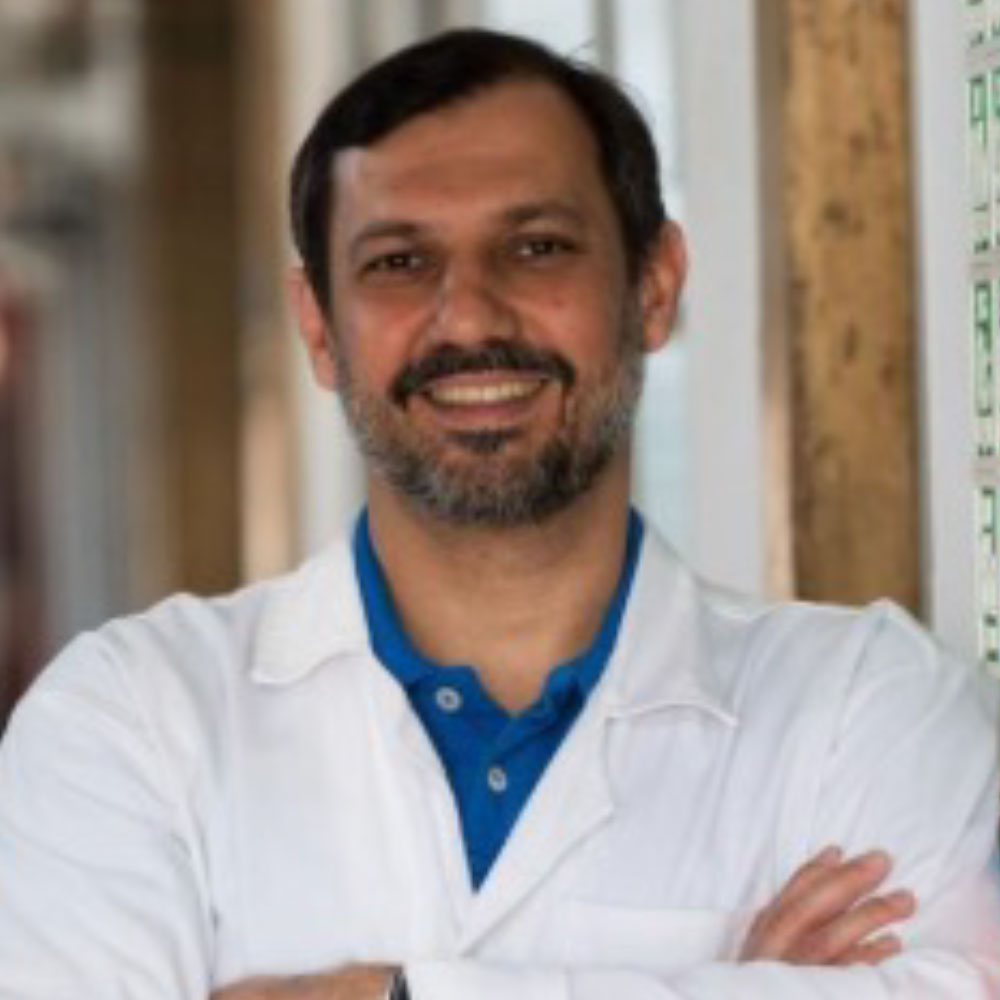
Dr. Pichaya Pattanasattayavong
Vidyasirimedhi Institute of Science and Technology (VISTEC), Thailand
Short Bio:
Pichaya Pattanasattayavong is Assistant Professor at VISTEC. His research focuses on opto-electronic materials and photoelectrochemical energy conversion. He is the recipient of multiple international awards and leads several competitive research projects.
Talk Title:
Role of Iron in Solar-Driven Water-Splitting Silicon Photoanodes
Talk Description:
This presentation examines the critical role of Fe in Ni-modified Si-based MIS photoanodes for oxygen evolution. The impact of Fe on interfacial energetics, band bending, photovoltage, and catalyst stability is discussed, providing new insights into high-performance PEC water-splitting systems.
Prof. Maurizia Palummo
University of Rome Tor Vergata, Italy
Short Bio:
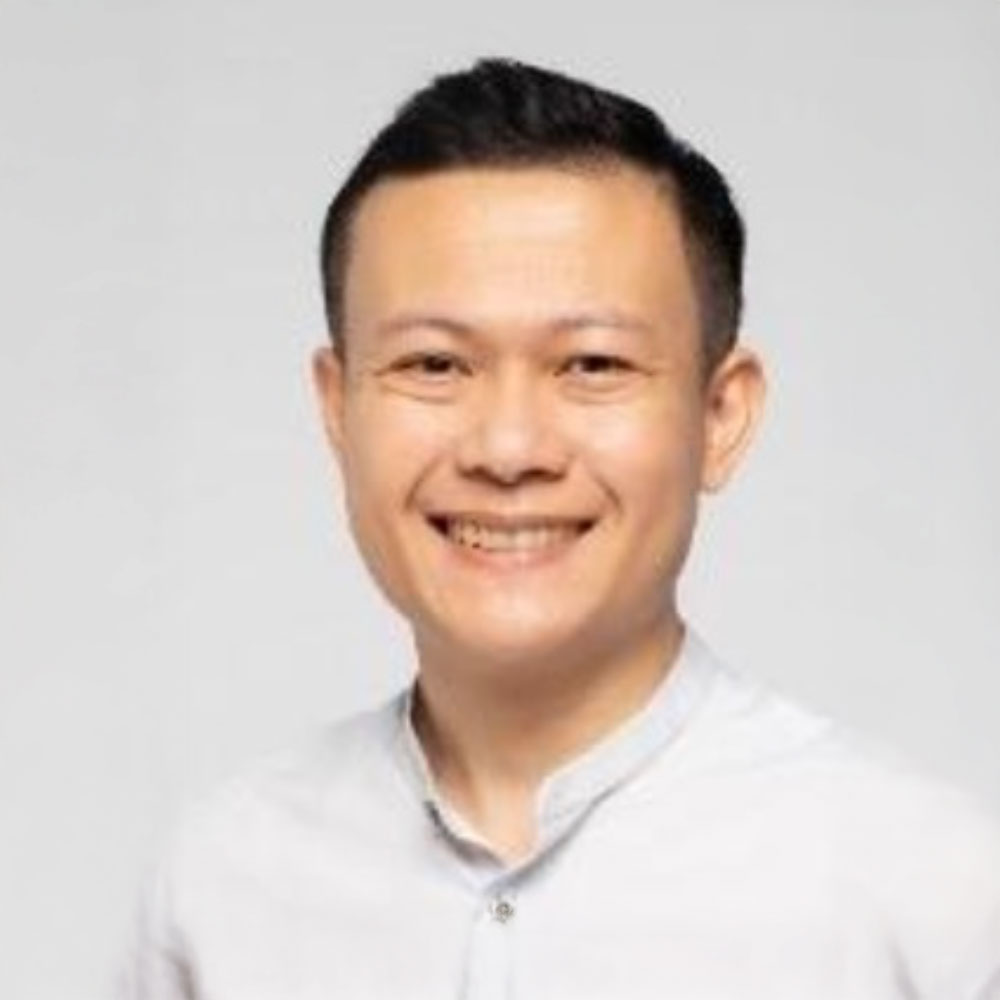
Maurizia Palummo is Full Professor of Theoretical Condensed Matter Physics at the University of Rome Tor Vergata. She is an expert in DFT, GW, and BSE methods, a Yambo developer, and author of over 150 scientific publications.
Talk Title:
Atomistic Insights into the Opto-Electronic Properties of Novel 2D and Layered Materials
Talk Description:
Using parameter-free first-principles simulations, this talk explores excited-state and opto-electronic properties of emerging 2D and layered materials. Topics include excitonic effects, band-gap renormalization, light–matter interaction, and tuning strategies via doping and chemical substitution.

Dr. M. Hussein N. Assadi
RIKEN Center for Emergent Matter Science (CEMS), Japan
Short Bio:
Dr. Hussein Assadi was educated at Charles Sturt University and the University of New South Wales, Australia. He has worked in Japan at Osaka University as a JSPS Fellow (2013–2015), the National Institute for Materials Science (2016–2019), and RIKEN (2022–present). A materials scientist by training, he is passionate about understanding nanoscale fundamentals to improve human health and the environment. He is particularly interested in the potential of artificial intelligence, data science, and quantum chemistry in addressing environmental challenges. His current research focuses on advancing nanomaterials for green energy, healthcare, waste reduction, and developing safer alternatives to harmful compounds. He has authored more than 100 scientific articles and presented invited talks at more than 20 international conferences.
Talk Title:
Theory-Guided Design of Functional Materials for Energy Conversion
Talk Description:
We present a theory-guided approach to designing stable green rusts for energy conversion. Using density functional tight binding (DFTB+) with trans3d parametrisation and dispersion corrections, we systematically screen intercalated layered double hydroxides via geometry optimisation and quenched molecular dynamics. The simulations identify energetically favourable compositions, which are further leveraged to train machine-learning models for related systems. Guided by these insights, a novel green rust is synthesised, exhibiting enhanced structural stability and improved photocatalytic performance for hydrogen generation from ammonia borane.

Prof. Selmiye Alkan Gürsel
1Sabanci University, Faculty of Engineering & Natural Sciences, Turkiye
2Sabanci University Nanotechnology Research and Appliaction Center, Turkiye
Short Bio:
Selmiye Alkan Gürsel is Professor of Materials Science and Nanoengineering at Sabancı University. Her research focuses on hydrogen technologies, fuel cells and electrolyzers, advanced polymer membranes, electrocatalysis, graphene-based materials, and lithium-ion batteries. She leads and contributes to major national and international research initiatives advancing green hydrogen and electrochemical energy technologies.
Talk Title:
Bridging Materials Science and Hydrogen Technologies: Membranes and Catalysts for Fuel Cells and Electrolyzers
Talk Description:
This presentation highlights membrane and catalyst innovations linking materials science to hydrogen technologies and global efforts to overcome fuel cell and electrolyzer limitations. Cost-effective radiation-grafted and electrospun membranes are presented alongside catalyst strategies targeting PGM reduction, including graphene-supported Pt for ORR and transition-metal-doped IrO₂ for acidic OER.

Prof. Dr. Raquel Giulian
Institute of Physics, Federal University of Rio Grande do Sul, Porto Alegre, Brazil
Short Bio:
Raquel Giulian graduated in Physics from the Federal University of Rio Grande do Sul, Brazil (UFRGS) in 2003, and received a Master degree in Physics from the same university in 2005. During the academic year of 2005 she was a research assistant at the Department of Electronic Materials Engineering at the Australian National University (ANU). In 2009 she received a Ph.D. degree at the same university working under the supervision of Professor Mark C. Ridgway. She worked with modification of semiconductors in the two subsequent years of her post-doctoral fellowship, also at the ANU. She is currently an Assistant Professor at UFRGS, working with ion beam synthesis of porous semiconductors. She supervised more than 40 students, including undergraduate, Masters, PhDs and postdocs. She has published 67 research papers, 1 book and in 2013 she was awarded the L’Oreal prize For Women in Science in Brazil. She was also an affiliated member of the Brazilian Academy of Science (2015-2019). She is currently working with ion implantation, particle induced x-ray emission (PIXE), transmission electron microscopy (TEM), scanning electron microscopy (SEM), Rutherford backscattering spectrometry (RBS), X-ray diffraction (XRD), x-ray absorption spectroscopy (EXAFS and XANES) and x-ray photoelectron spectroscopy (XPS).
Talk Title:
Antimonide Nanofoams Induced by Ion Irradiation
Talk Description:
Semiconductors are commonly implanted or irradiated with heavy ions to increase the number of defects in the matrix and enhance specific electrical and optical properties. A very peculiar effect is observed upon irradiation of antimonides, in the nuclear or electronic stopping power regime: the formation of a porous, sponge-like structure with nanometric dimensions. The nanometric foams induced in these compounds by ion irradiation exhibit giant surface-to-bulk ratio, which can be very good for the development of devices which rely on surface reactions, like gas detectors. Here we show the ion irradiation effects on ternary compound films containing In, Ga, Al and Sb deposited by magnetron sputtering. Samples were irradiated with 8 MeV Au+3 (16 MeV Au+7) ions, at room temperature, with ion fluences ranging from 1012−1014 cm−2. The atomic composition and structure of porous films were probed as a function of irradiation fluence by Rutherford backscattering spectrometry, scanning electron microscopy and x-ray diffraction analyses. Variations in the relative concentration of In, Ga and Al in the ternary antimonide compounds allow variations of lattice parameters and bandgap and also influence the ion irradiation-induced porosity. The structural modifications induced by ion irradiation are discussed. The thermoelectric properties of the materials, before and after irradiation, were also investigated.

Prof. MJ Kermani1, 2
1 Amirkabir University of Technology (Tehran Polytechnic), Iran
2 Adjunct Fellow, Center for Solar Energy and Hydrogen Research (ZSW), Germany
Short Bio:
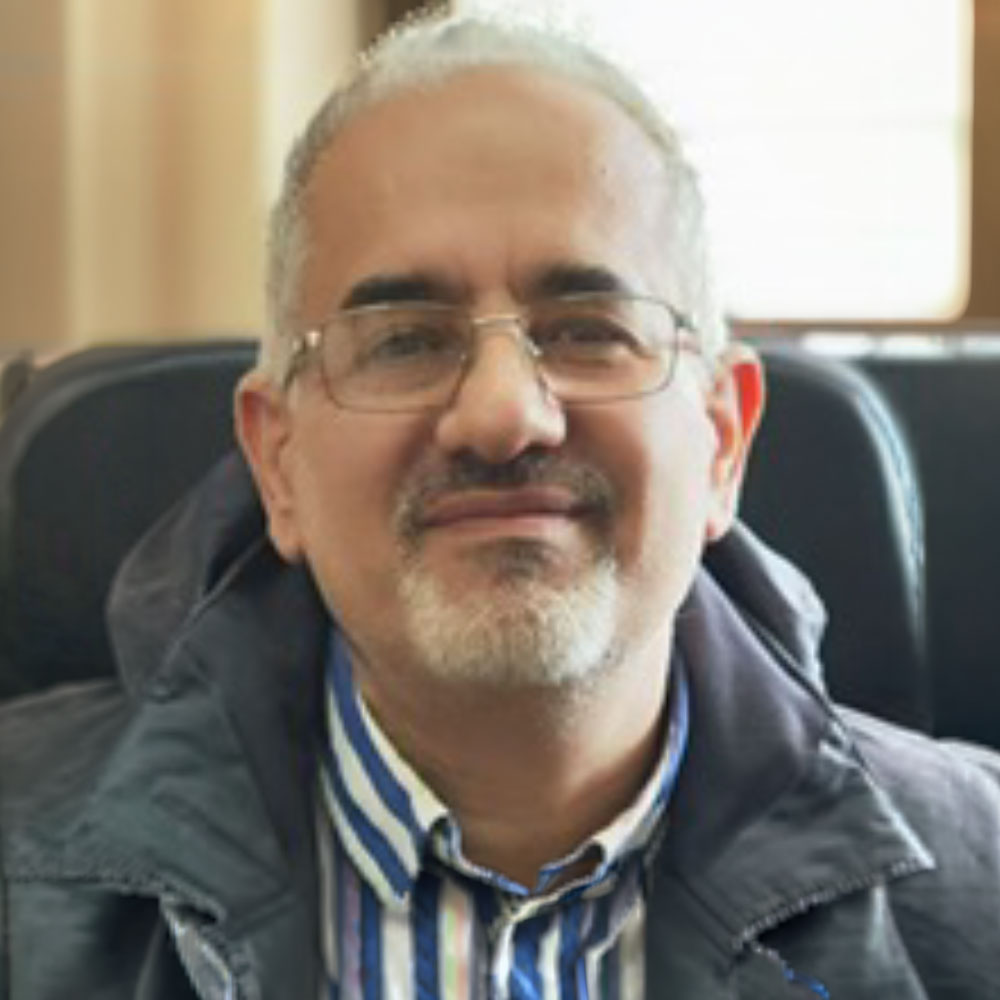
J. Kermani is a Professor of Mechanical Engineering (thermal–fluids) at Amirkabir University of Technology, with over a decade of experience in internal and external flow design. His research focuses on flow distributors for PEM fuel cells and electrolyzers, as well as combined heat and power (CHP) systems. He has received prestigious fellowships and grants, including the Chinese Academy of Sciences Fellowship (2021), the Alexander von Humboldt Foundation Fellowship (2012–2014), and Deutsche Forschungsgemeinschaft funding (2018).Prof. Kermani holds one European patent, has published over 200 scientific articles, and supervised more than 60 graduate students. He is the founding director of the Hydrogen and Fuel Cell Laboratory at AUT and an adjunct fellow at Zentrum fuer Sonnenenergie- und Wasserstoff-Forschung (ZSW).
Prof. Hadi Genceli
Yildiz Technical University, Faculty of Mechanical Engineering, Türkiye
Short Bio:
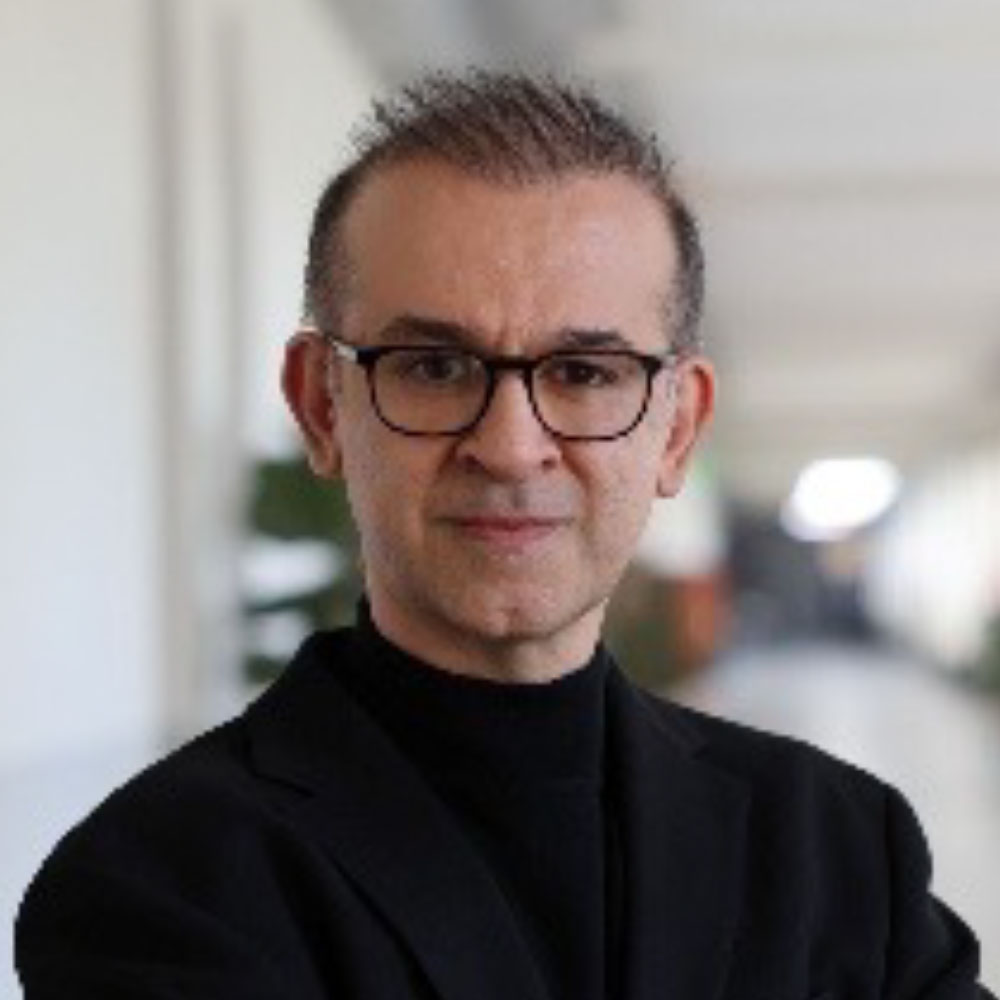
Hadi Genceli is a Professor at Yildiz Technical University. His research focuses on fuel cells and electrolyzers, with a particular emphasis on hydrogen-based vehicle technologies, including integrated energy, hydrogen storage, and thermal management systems for sustainable transportation.
Talk Title:
Performance Enhancement of PEM Fuel Cells Using Blockage-Enabled Bipolar-Plate Flow Fields
Talk Description:
Non-uniform reactant distribution is a major factor limiting local mass transport and performance in PEM fuel cells. This work introduces a patented cathode-side channel-blockage flow-field concept designed to enhance over-rib convection and oxygen utilization in the catalyst layer. The blockage layout, number, location, height, and geometry are systematically optimized, with performance evaluated in terms of net power that accounts for pumping losses. The concept demonstrates clear performance benefits in PEM fuel cells despite the increased pumping demand. Building on these results, the same flow-field engineering approach is currently being extended to PEM electrolyzers within an ongoing TÜBİTAK–MSRT collaboration (2025–2027).